
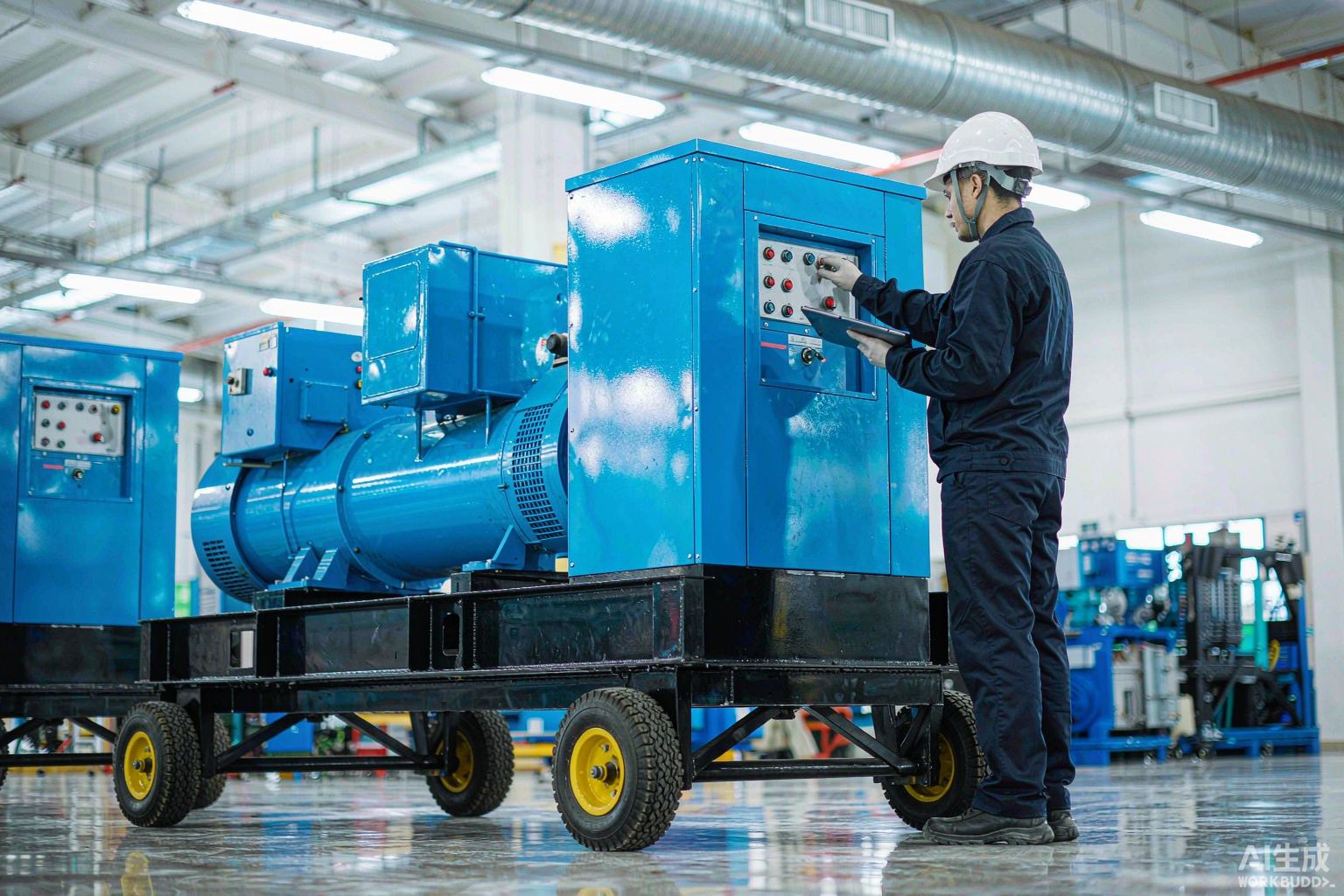
What a Four-Point Load Test Proves Before a Generator Ships
Starting a set and watching the voltage settle proves almost nothing. Here is what a 25 / 50 / 75 / 100 % load test actually measures, and which faults only appear under load.
Starting a set and watching the voltage settle proves almost nothing. Here is what a 25 / 50 / 75 / 100 % load test actually measures, and which faults only appear under load.
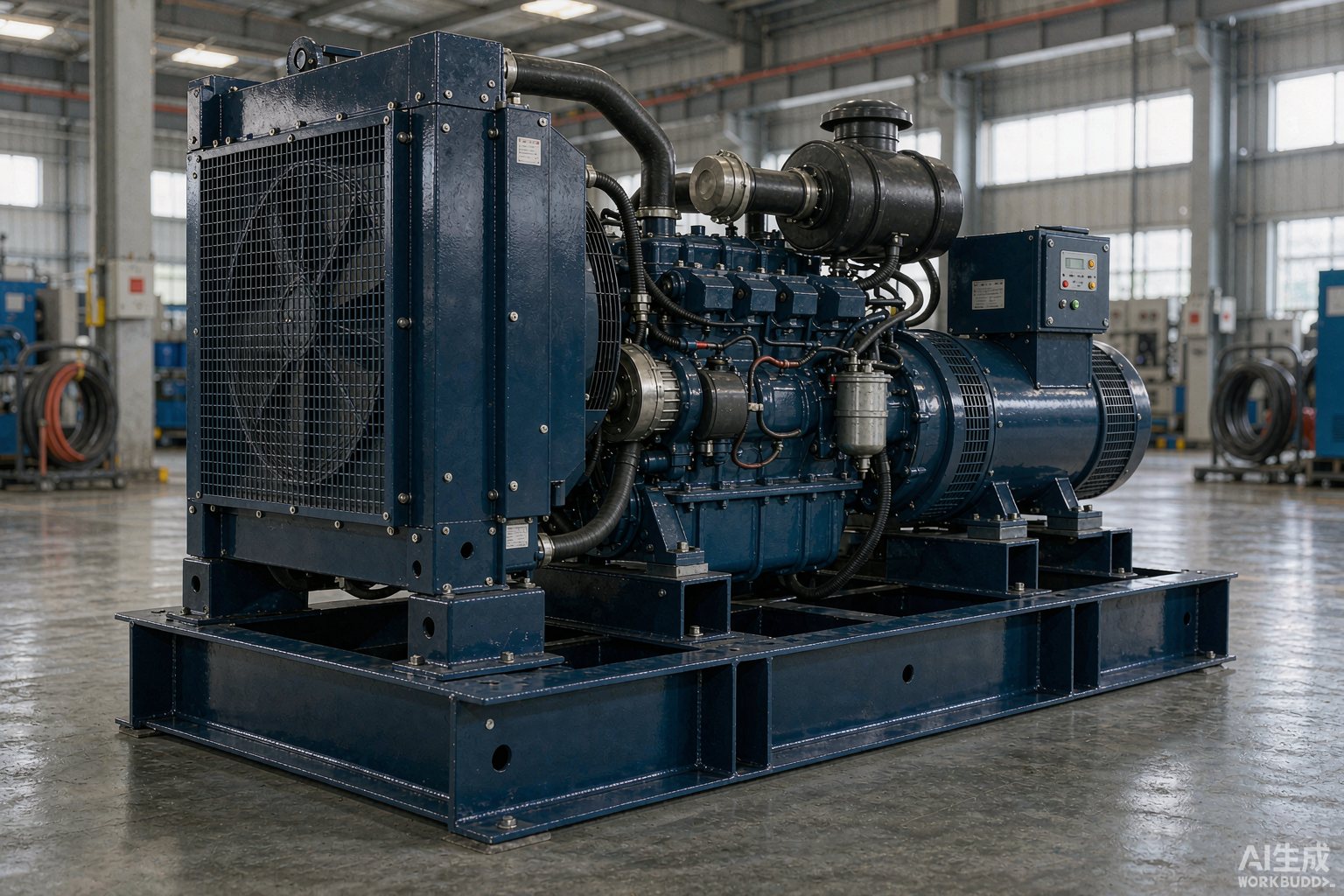
The same engine can be sold at three different ratings. Picking the wrong one either wastes capital or shortens engine life — and the difference is measured in hours per year.
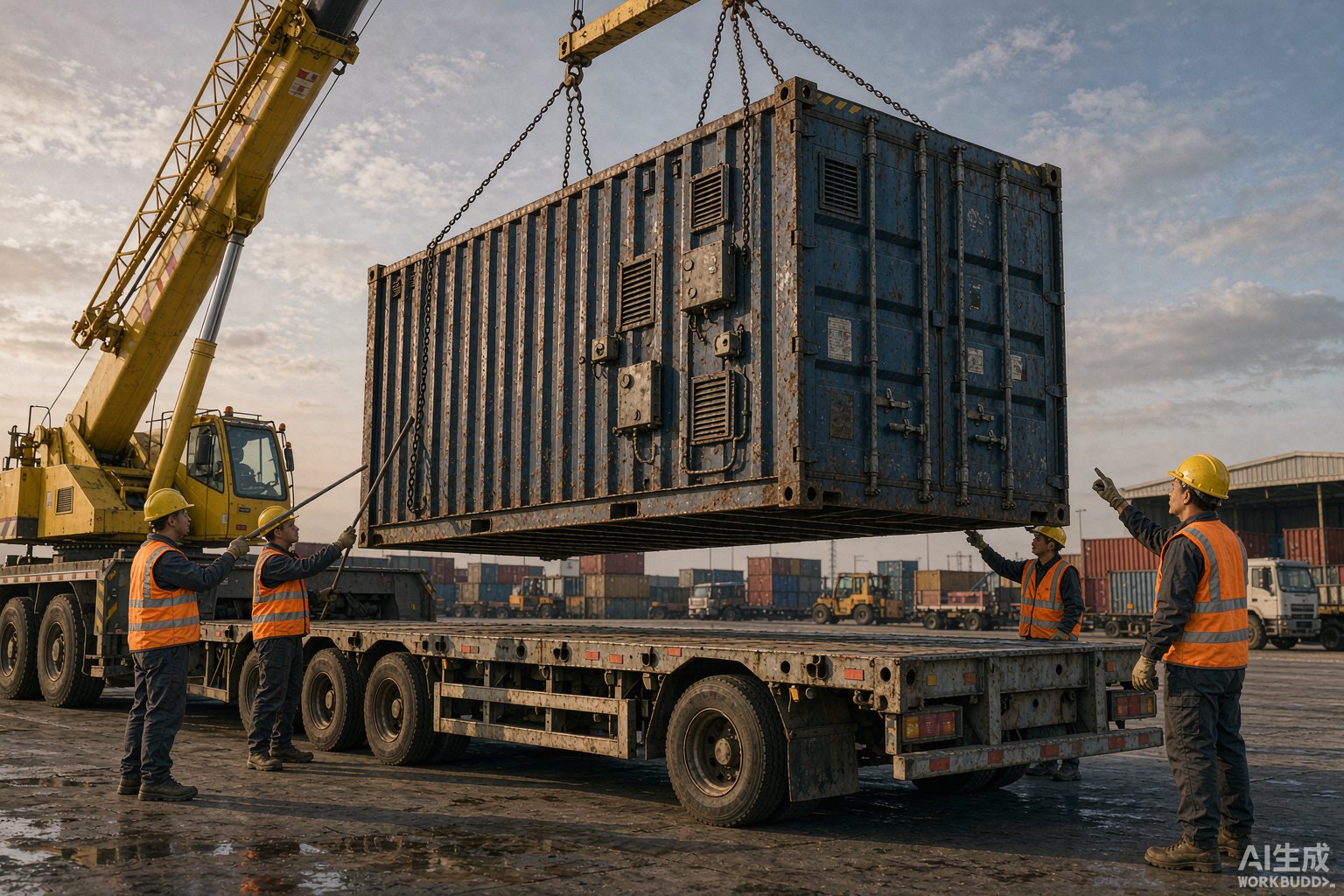
Buying the next size up feels safe. In practice it moves cost from the capital budget into fuel, maintenance and premature engine wear — and it rarely improves reliability.
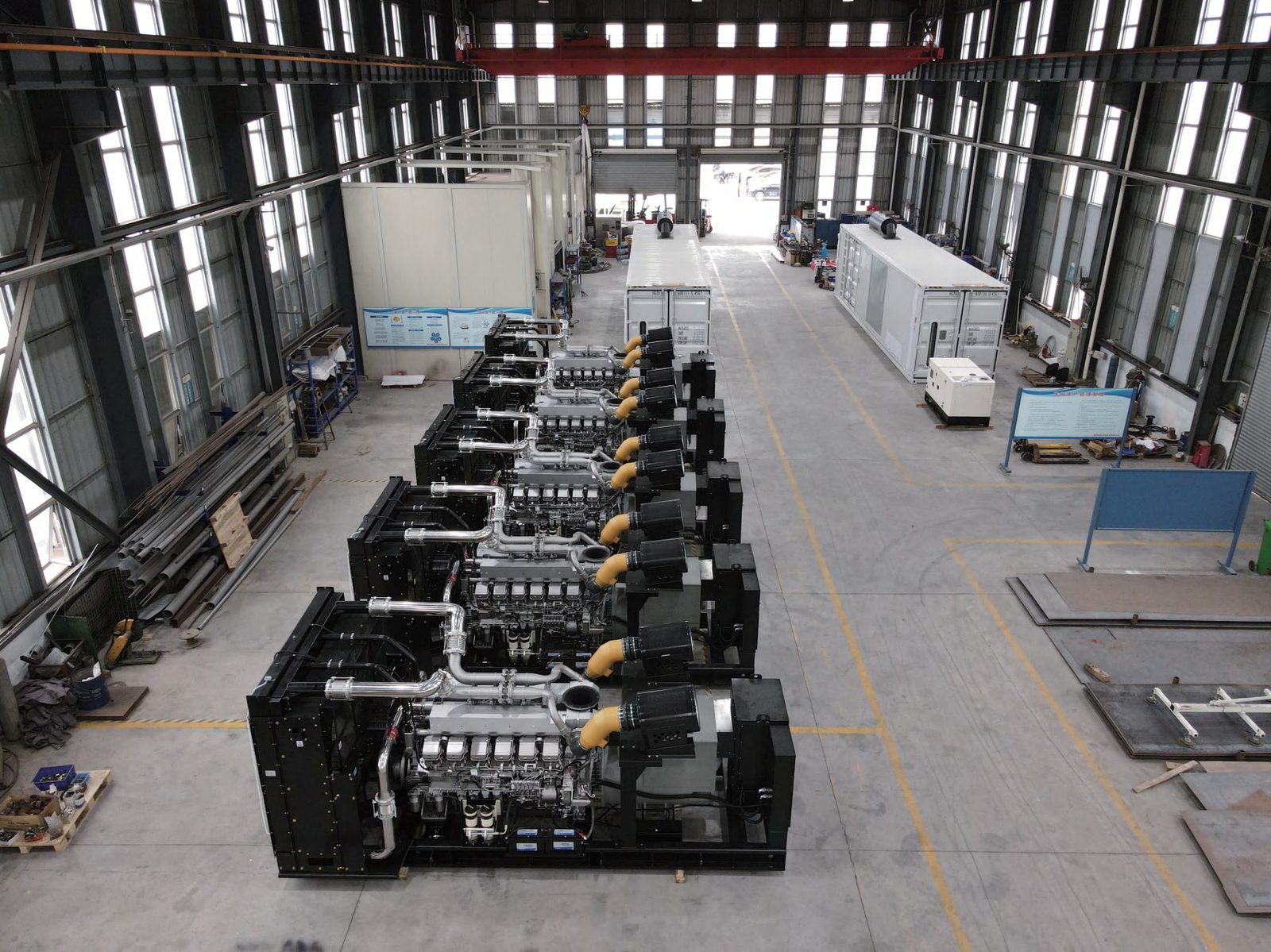
Low-load running looks gentle on the machine. In reality it is one of the fastest ways to glaze bores, load a DPF with soot and double your maintenance bill.

A set rated at 40 °C does not deliver its nameplate output at 48 °C. Here is how the derate is calculated, and what changes in the specification.
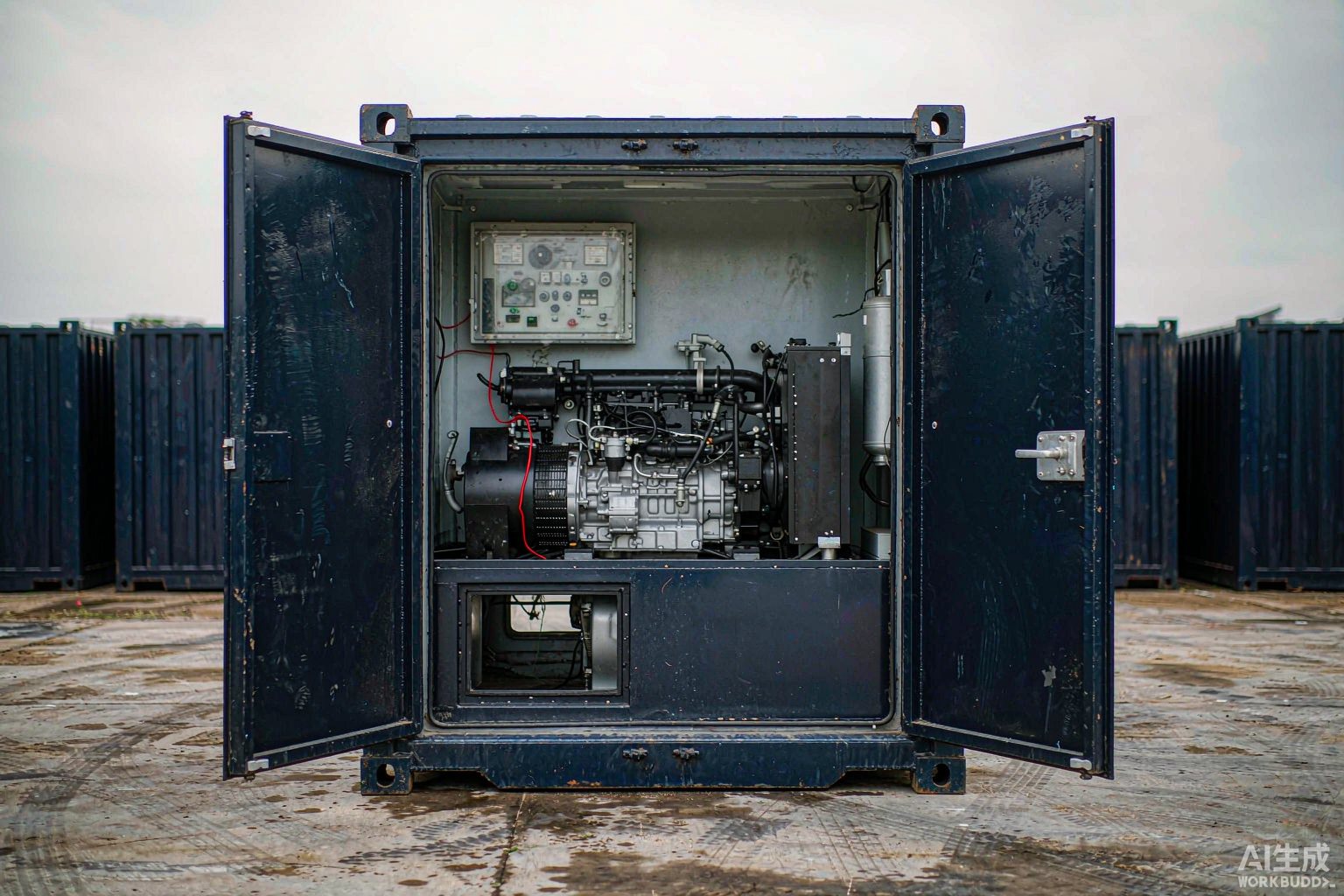
N+1 is not simply one spare generator in the yard. Understanding what the notation actually covers decides whether your facility survives a single failure.
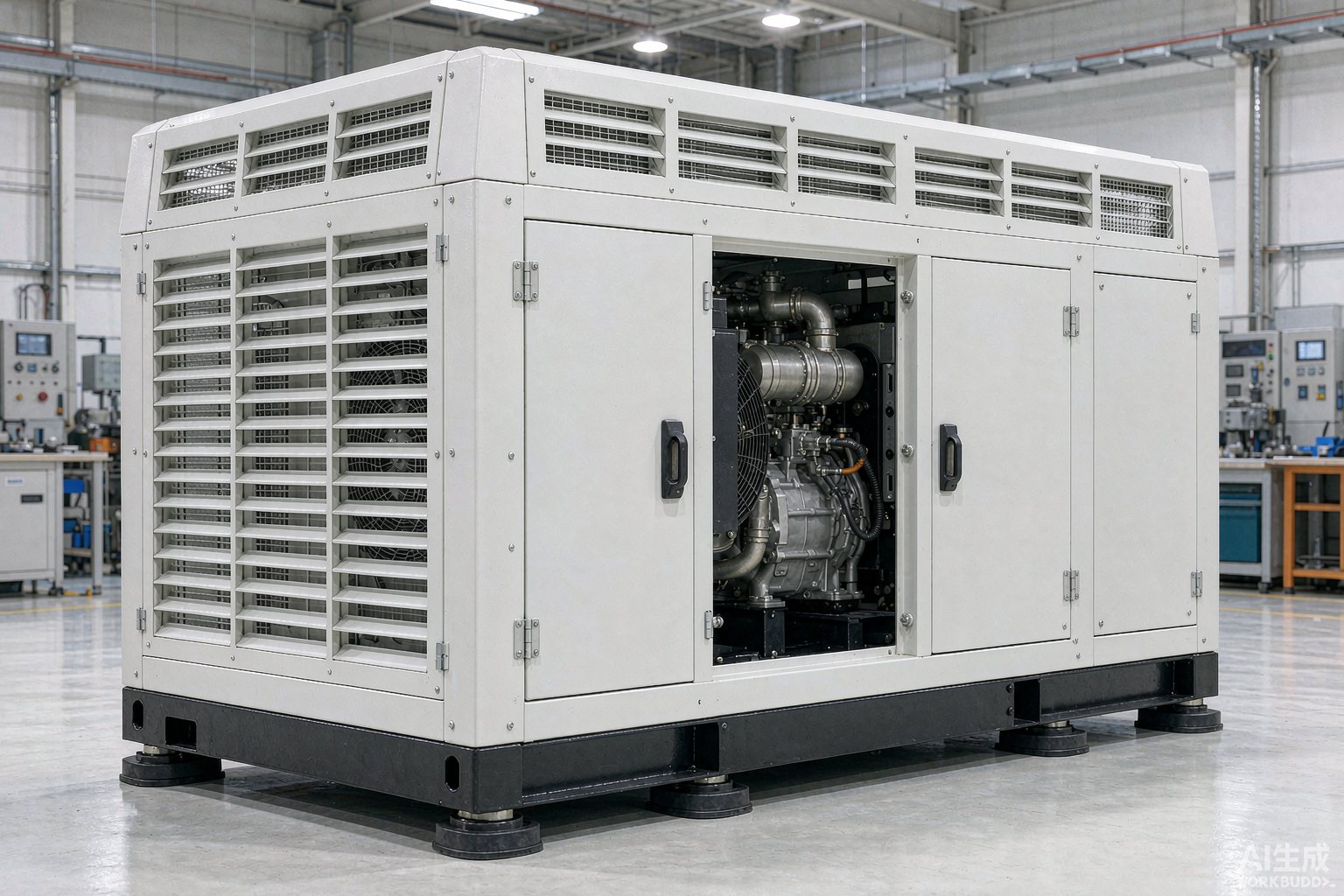
Emission standards decide what engine you can register, what fuel you must burn and what maintenance you inherit. A practical guide to the tiers still on the market.

An automatic transfer switch is the part of the system nobody notices until it fails. Here is the sequence it runs, and the settings that decide whether your load survives.
Send us the load schedule and site conditions. An applications engineer will come back with a sized proposal rather than a catalogue page.