
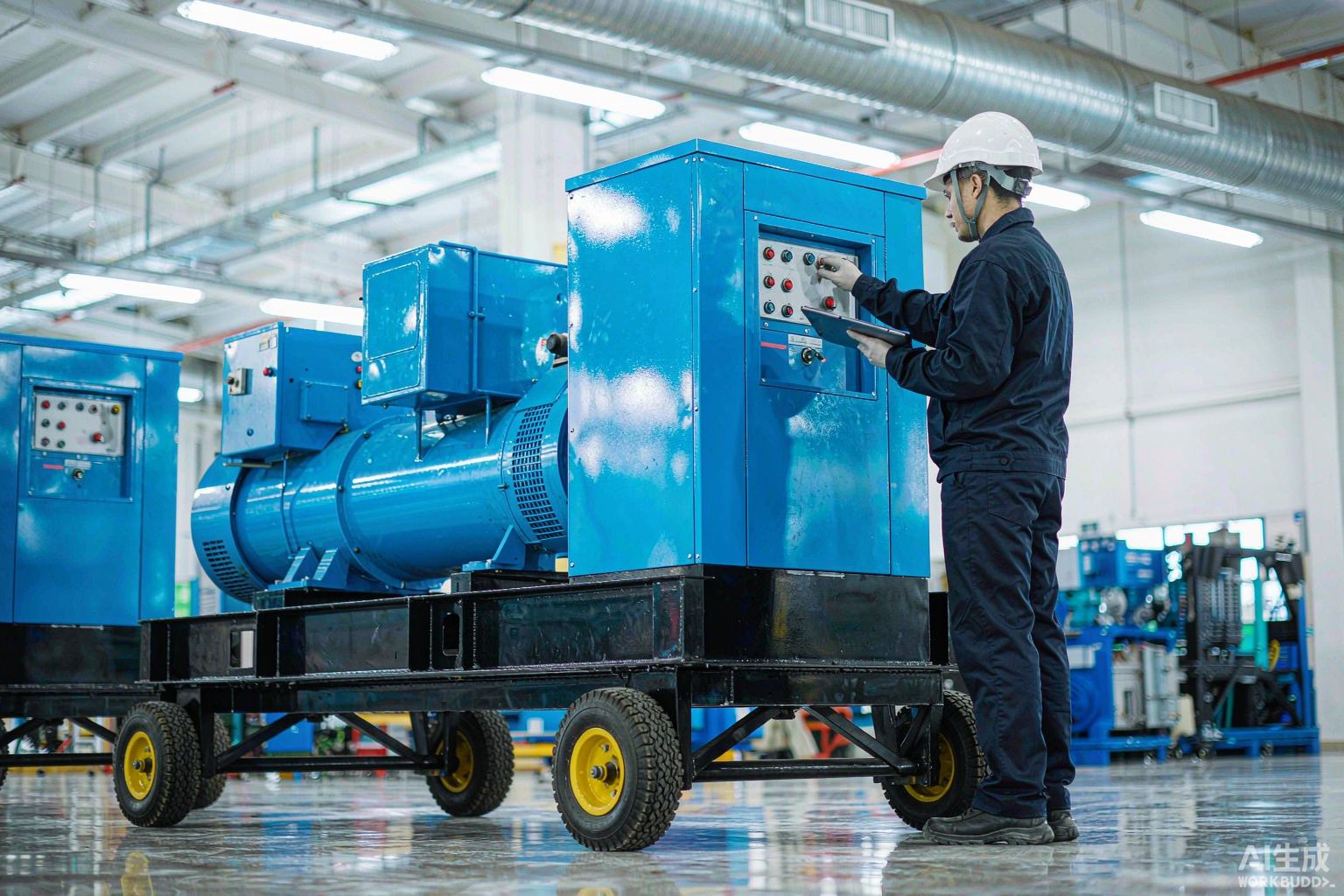
What a Four-Point Load Test Proves Before a Generator Ships
Starting a set and watching the voltage settle proves almost nothing. Here is what a 25 / 50 / 75 / 100 % load test actually measures, and which faults only appear under load.
An automatic transfer switch is the part of the system nobody notices until it fails. Here is the sequence it runs, and the settings that decide whether your load survives.

The generator is the visible half of a backup system. The transfer switch is the half that decides whether the building actually sees power — and most post-incident reports point at the switch, not the engine.
An ATS is a state machine with a timer for each transition. Typical settings, which vary by installation:
| Time | What happens | Setting that matters |
|---|---|---|
| 0 s | Mains fails; ATS coil drops out | voltage and frequency thresholds |
| 0–3 s | Start signal to generator | start delay — must not react to a 2-second dip |
| 3–10 s | Engine cranks, starts, reaches rated speed and voltage | crank cycles, warm-up time |
| 10–15 s | ATS transfers load to generator | transfer time, open or closed transition |
| on restore | Mains returns; ATS waits, then transfers back and cools down | return delay (often 5–30 min), cooldown timer |
Those delays exist for good reasons. A start delay prevents the generator from chasing every two-second voltage sag; a return delay stops it from cycling when the utility recloses and trips again. Setting them too short produces nuisance starts; setting them too long leaves the load on batteries longer than necessary.
A three-pole switch transfers the phases and leaves the neutral solid. A four-pole switch transfers the neutral as well, which matters where the generator is a separately derived source and the installation uses earth-fault protection that would otherwise see two neutral paths. Getting this wrong is not a nuisance — it is a safety and discrimination problem. The decision belongs to the electrical designer, and the ATS must match it.
Open transition breaks before it makes: a short interruption, typically 100–300 ms, which most loads ride through and some — older UPS systems, certain medical equipment — do not. Closed transition briefly parallels mains and generator, making the transfer nearly seamless, at the cost of synchronising equipment and a more complex switching sequence. For data centres and hospitals the choice is usually made at design stage; for a workshop it is rarely justified.
For a site where someone is always present and a few minutes of downtime is acceptable, yes. For anything unmanned — telecom sites, remote pumping, cold storage — the economics favour automatic transfer.
No, but it must match the system: current rating, pole configuration, transition type and control voltage. Mixing brands is normal; mixing incompatible control logic is not.
At least the generator's rated current, with the enclosure and fault rating suited to the installation. Undersizing the switch to save cost is a false economy — it becomes the weakest link in a system built for reliability.
Starting a set and watching the voltage settle proves almost nothing. Here is what a 25 / 50 / 75 / 100 % load test actually measures, and which faults only appear under load.
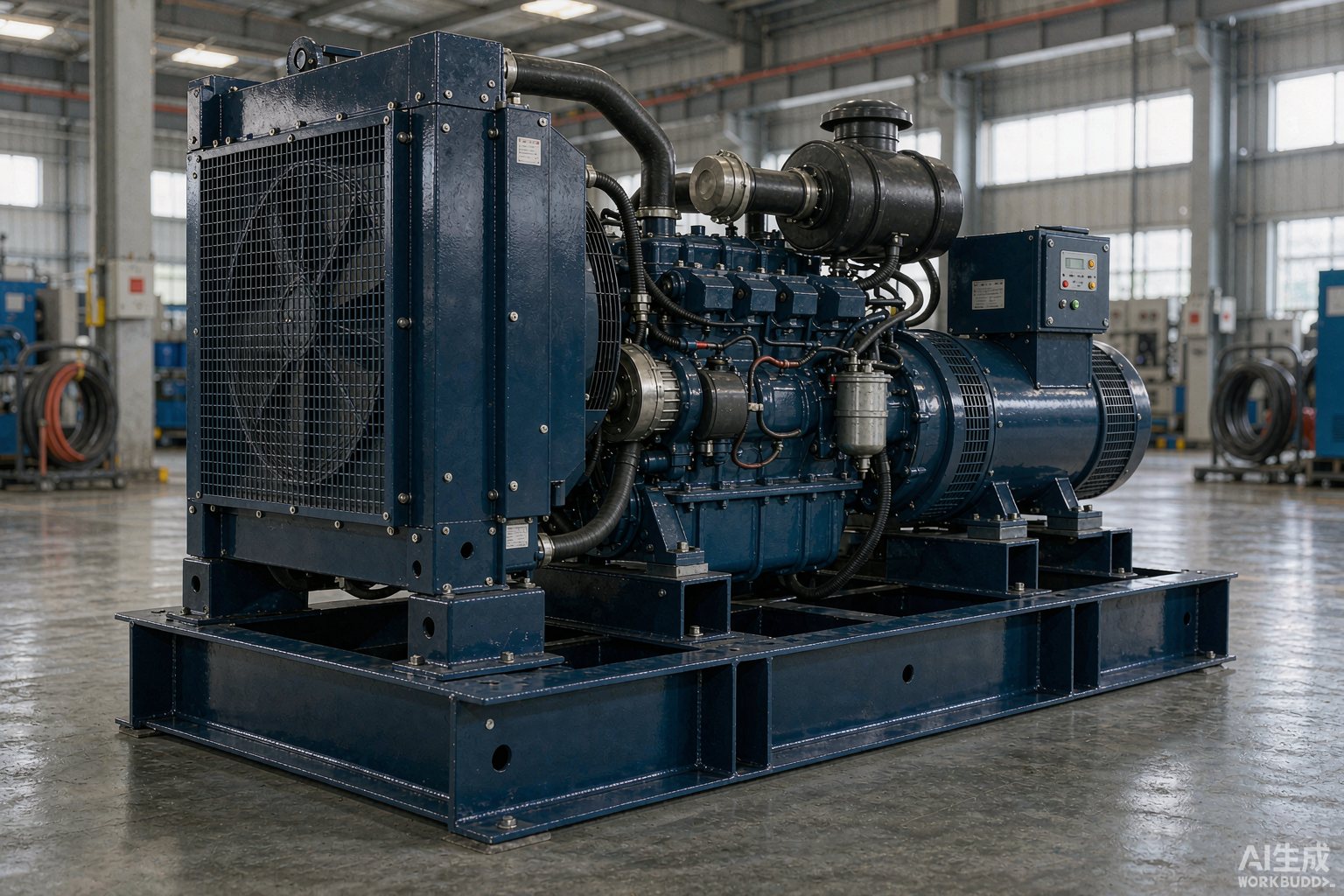
The same engine can be sold at three different ratings. Picking the wrong one either wastes capital or shortens engine life — and the difference is measured in hours per year.
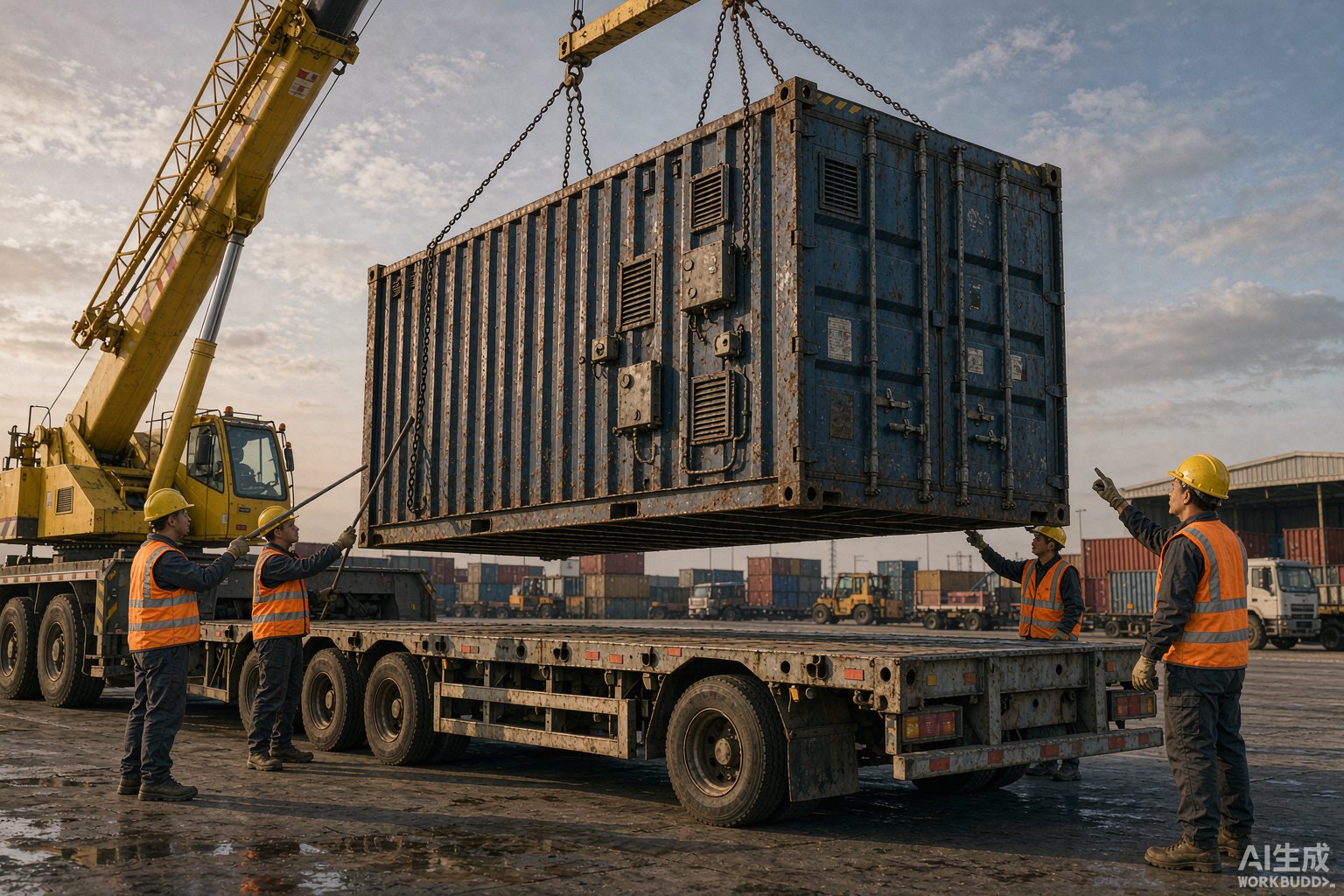
Buying the next size up feels safe. In practice it moves cost from the capital budget into fuel, maintenance and premature engine wear — and it rarely improves reliability.
Send the load schedule, site conditions and destination port. We answer technical questions directly, usually within one business day.