
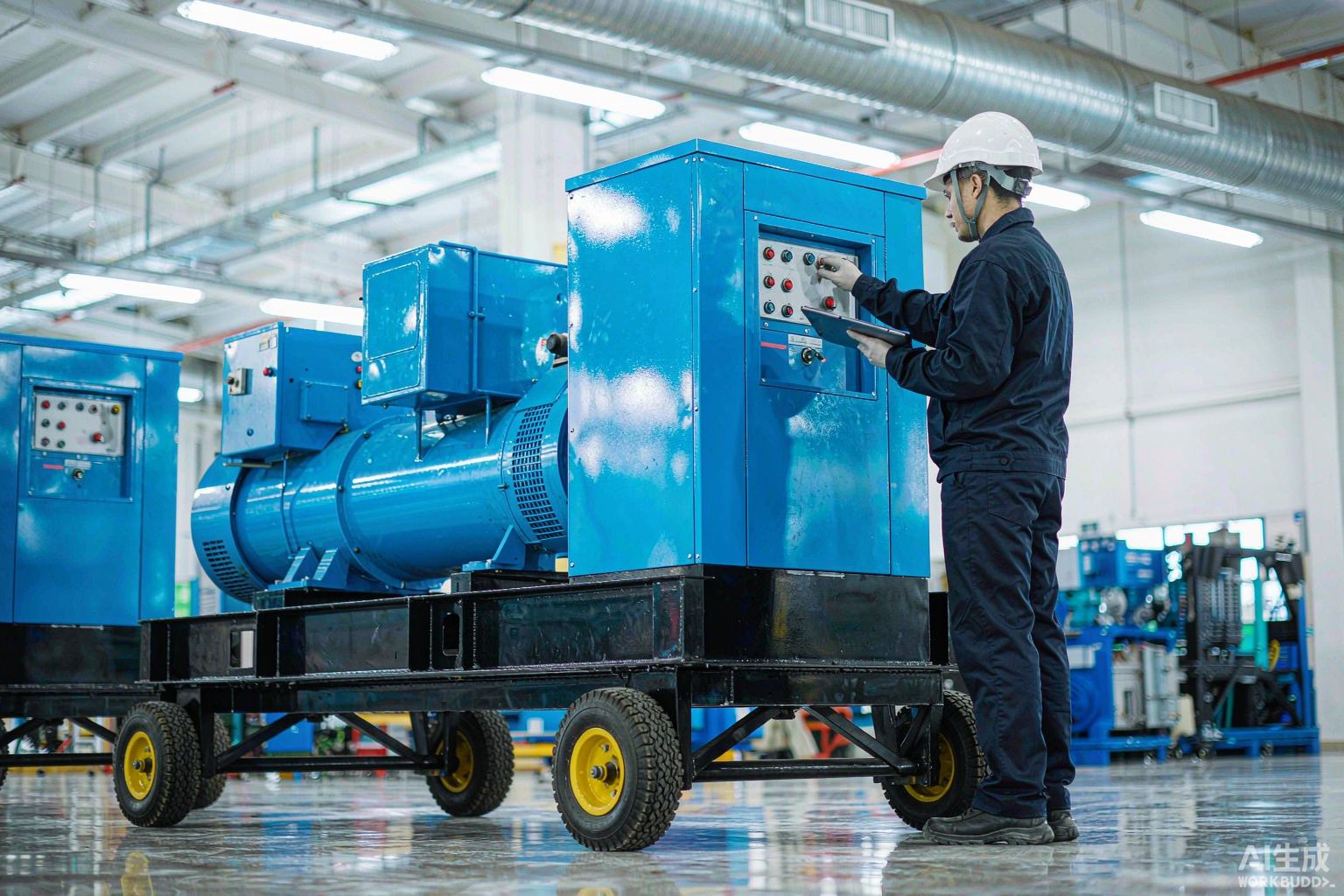
What a Four-Point Load Test Proves Before a Generator Ships
Starting a set and watching the voltage settle proves almost nothing. Here is what a 25 / 50 / 75 / 100 % load test actually measures, and which faults only appear under load.
Low-load running looks gentle on the machine. In reality it is one of the fastest ways to glaze bores, load a DPF with soot and double your maintenance bill.
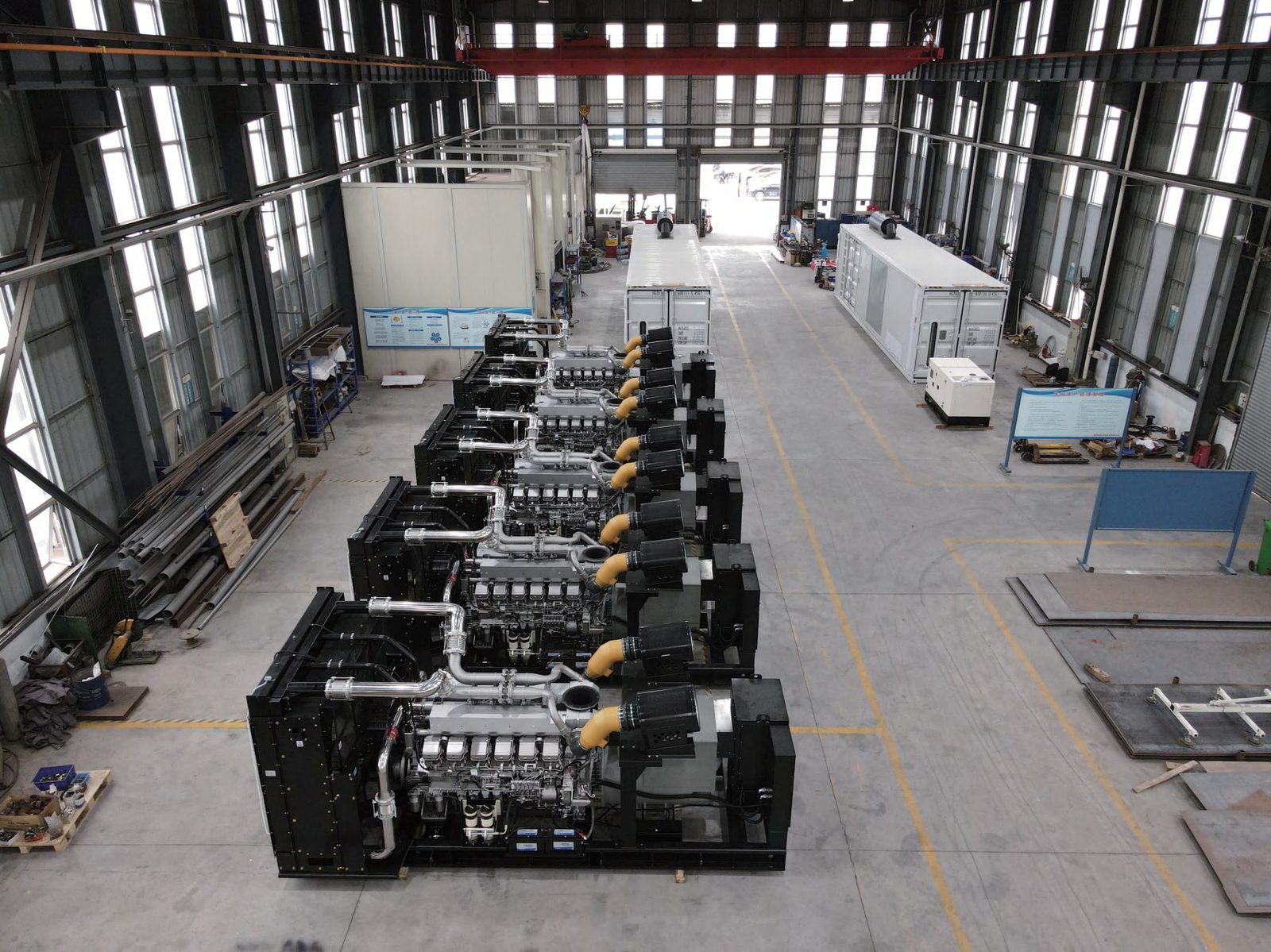
A diesel engine at 20 % load sounds relaxed. It is not. It is running at a combustion temperature too low to burn cleanly, with an exhaust stream that never gets hot enough to clear the aftertreatment, and a set of symptoms that appear months later as smoke, oil consumption and a filter that will not regenerate.
Diesel combustion needs heat. At rated load, cylinder temperatures are high enough to burn off the carbon and fuel residue that inevitably forms. At low load the same engine produces those deposits but never reaches the temperature that removes them. The residue collects on the injector tips, the valve stems, the exhaust ports and the turbo. Cylinder bores, starved of the pressure that keeps rings seated, develop a glazed surface that no longer holds oil film.
The classic sign is a set that runs perfectly for a year at light load, then emits a plume of black smoke the first time it is asked to take 70 % — and keeps doing it.
Modern emission systems assume load. A diesel particulate filter regenerates by burning collected soot at high exhaust temperature; passive regeneration needs the exhaust hot, and active regeneration injects fuel to raise it. A set that never exceeds 30 % load may not achieve either, so soot accumulates until the ECU derates the engine or blocks the filter. On a Stage V set, chronic light loading is not a maintenance inconvenience — it is a failure mode.
Re-size. The cleanest fix. If a site genuinely needs 200 kW, a 250 kVA set will outlast a 500 kVA set by years.
Exercise under load. A monthly run at 30 % load does little; a quarterly run at 70–80 % for an hour does a great deal. Load banks exist for exactly this reason, and a 200 kW portable unit can serve several sites.
Cycle the load. Where the installation has multiple sets, rotate duty so that each one periodically carries a high block rather than all of them sharing a light load.
Watch the data. Controllers record load factor and run hours. A set that has averaged 22 % for six months is telling you something; the maintenance schedule should respond to it rather than following the calendar.
| Average load factor | Recommended action |
|---|---|
| below 25 % | Re-size at the next opportunity; add monthly load-bank runs at 70 % |
| 25–40 % | Quarterly load-bank exercise; shorten oil sampling interval |
| 40–85 % | Normal regime; standard service intervals apply |
Long idling is worse than running under load. Idle speed gives the lowest combustion temperature and the least exhaust energy, so deposits form fastest. Warm-up should be minutes, not hours.
Sometimes. A series of progressive load runs can burn off soft deposits and restore ring seating, but hard glazing may require inspection. Prevention is cheaper than recovery.
They avoid oversizing, which is the usual cause. A correctly sized small set running at 70 % is a healthier machine than a large set running at 25 %.
Starting a set and watching the voltage settle proves almost nothing. Here is what a 25 / 50 / 75 / 100 % load test actually measures, and which faults only appear under load.
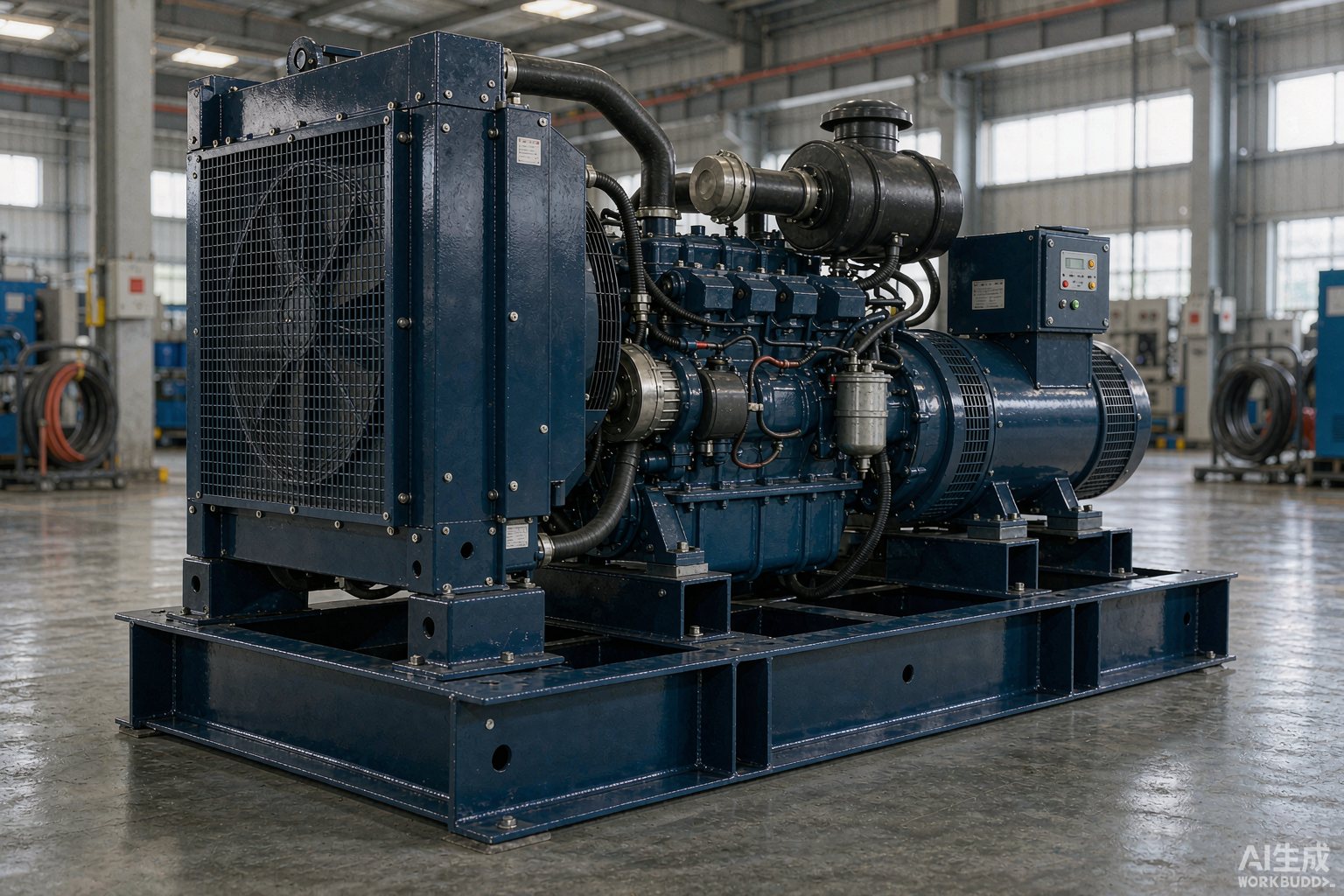
The same engine can be sold at three different ratings. Picking the wrong one either wastes capital or shortens engine life — and the difference is measured in hours per year.
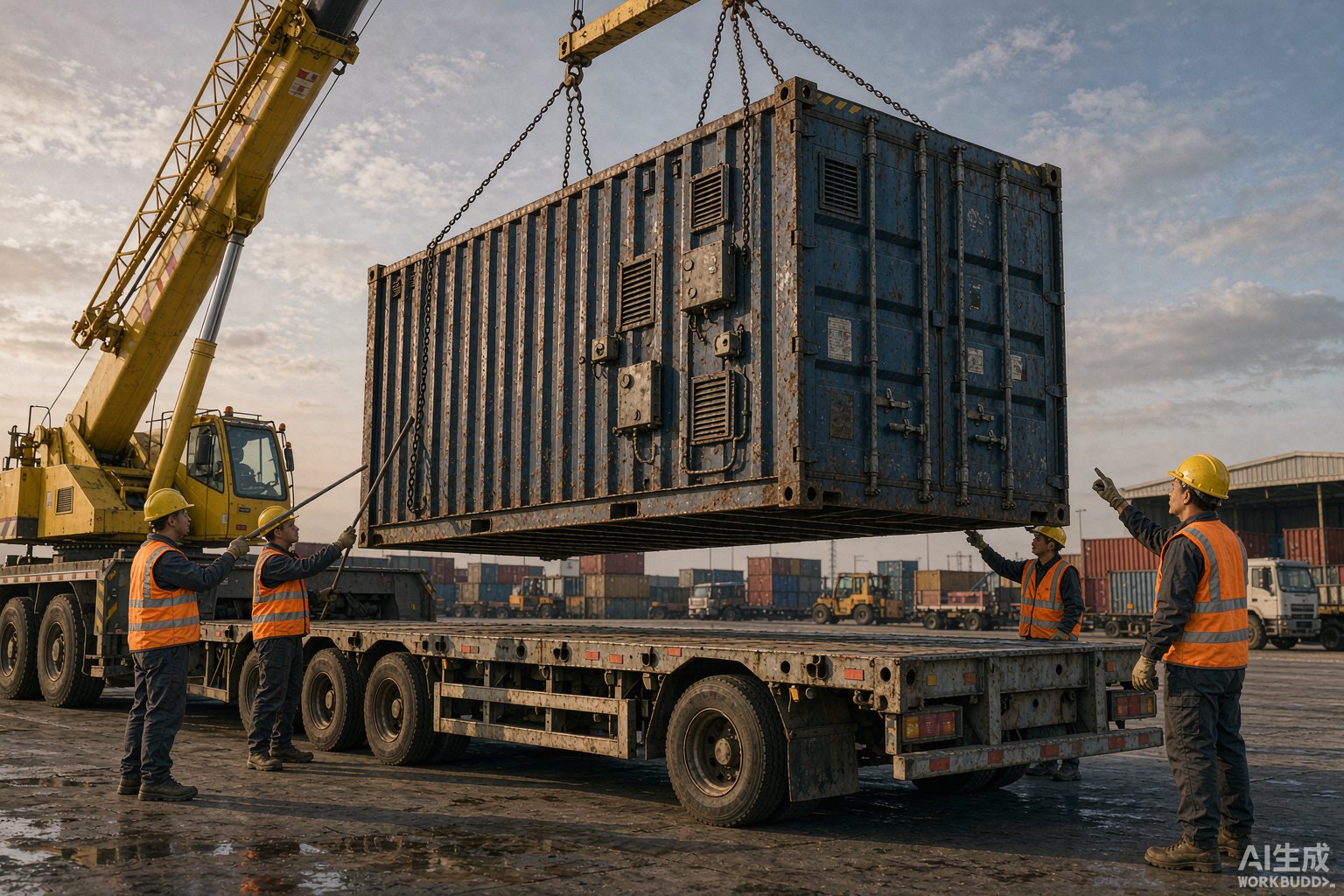
Buying the next size up feels safe. In practice it moves cost from the capital budget into fuel, maintenance and premature engine wear — and it rarely improves reliability.
Send the load schedule, site conditions and destination port. We answer technical questions directly, usually within one business day.