
Gas power, where the fuel supply exists
Gas-fuelled generation makes sense where a gas supply already exists and the set will run for many hours. Combustion of natural gas or LPG produces less nitrogen oxide and particulate matter than diesel, which matters in urban air-quality zones and wherever a site permit limits what can be run.
The trade-off is fuel logistics. A diesel set carries its own fuel in a tank on the base frame, while a gas set depends on a continuous supply. For genuine emergency standby, diesel remains the pragmatic choice; for long-hour operation with a secure gas supply, gas is usually the cheaper and cleaner way to run.
Packages are available open or containerised, single units or parallel configurations, and can be specified with heat recovery so that engine waste heat serves a process or building heating demand.
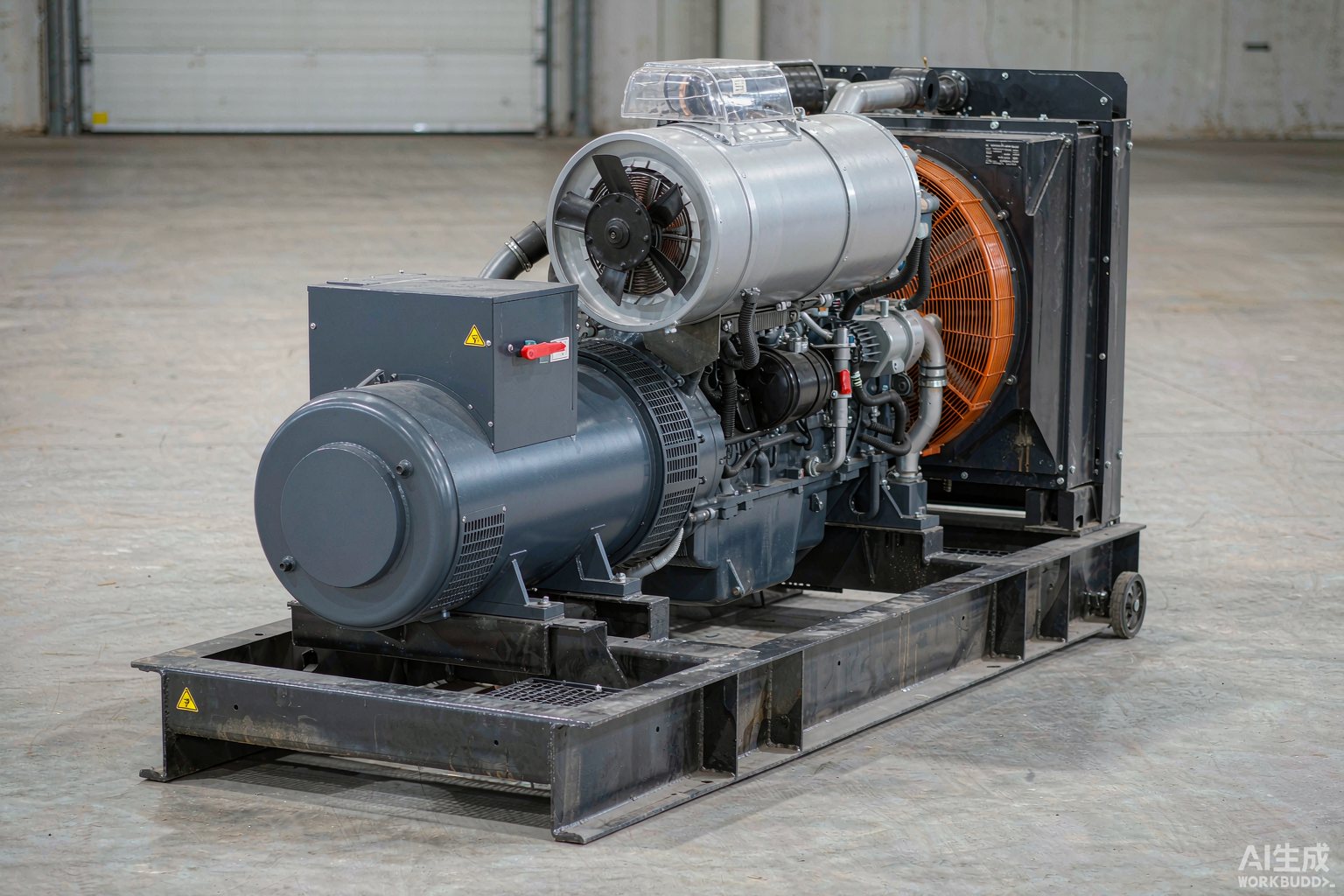
Where gas generation fits
Long-hour duty with a reliable fuel supply is the pattern that makes gas the right choice over diesel.
Commercial buildings
Lower-emission backup and peak-shaving for offices, hotels and mixed-use developments with a gas supply.
Industrial process
Continuous power and cogeneration-ready packages for plants running long hours on natural gas.
Standby power
Fast-start gas sets for facilities that need a cleaner alternative to diesel on site.
Campus and district energy
Multiple units in parallel for campuses, industrial parks and distributed generation schemes.
What we need to specify a gas set
Configuration is confirmed against your fuel analysis and load profile.
Gas engine ratings depend on the fuel specification as much as on the engine itself. Methane number, calorific value, supply pressure and the presence of sulphur or siloxanes all affect the achievable output, so we ask for a fuel analysis before quoting.
Send us the fuel composition, the required electrical output, the duty cycle and the ambient conditions at site. We will confirm the rating, the emissions achieved and the packaging that fits.
| Fuels | Natural gas, LPG, biogas-capable |
|---|---|
| Duty | Continuous, prime and standby |
| Frequency | 50 Hz / 60 Hz |
| Packaging | Open skid or containerised |
| Parallel operation | Available with synchronising control |
| Heat recovery | Optional, for process or space heating |
| Emissions | Lower NOx and particulates than diesel |
| Documentation | Factory test certificate with every set |
Considering gas for your site?
Send us the fuel composition and load profile. We will confirm whether gas, diesel or a hybrid of the two is the better engineering answer for your duty cycle.